About Pawl
Why the key, where the code lives, what the app does not promise, and where the name comes from.
Why the key, where the code lives, what the app does not promise, and where the name comes from.
Most blockers fail at 1am because you can switch them off with one tap. Pawl moves that decision to a small object you have already put out of reach.
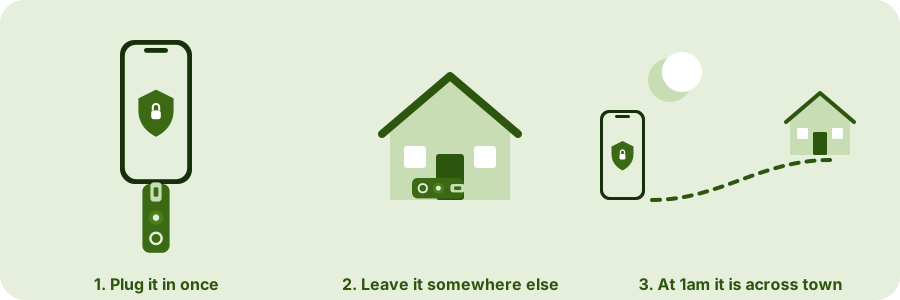
When you set Pawl up, you plug a USB-C security key into your phone and tap it. Pawl remembers that key and only that key.
Give it to a friend, put it in your car, or lock it in a drawer at work. The further away it is, the longer the urge has to fade.
Even when you do get the key, tapping it starts a 15 minute wait. Then the block lifts for a short window (30 minutes by default) and comes back on by itself.
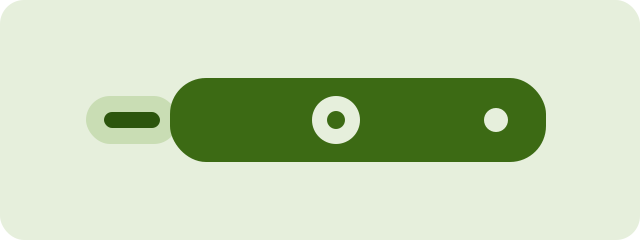
Which key to buy: any FIDO2 security key with a USB-C plug. Several makers sell them, and they need no app or account. Pawl does not sell keys and does not take a cut.
You should not have to take a blocker's word for it. All of Pawl's code is public, so you or anyone you trust can read exactly what it does.
Licensed under the Mozilla Public License 2.0. Read it, build it yourself, report a problem, or send a fix.
View the codePawl makes the 1am version of you slow. It does not make anything impossible. The details, in plain words:
The full list, including notes for reviewers, is in the README.
Screen Time hands Pawl only anonymous tokens. Pawl never learns which apps or sites you picked.
Your streak lives on your phone and in your own iCloud, so it survives deleting the app. No advertising, no tracking, no account and no Pawl server.
Pawl is named after the ratchet tooth that stops a gear from slipping back. That is the whole idea.